

As with humans, achieving good oral health in your cat is possible with the incorporation of cleaning routines. Specifically, it is necessary to brush your feline pet’s teeth to prevent it from developing mouth and teeth problems. It should be remembered that this type of problem can generate other conditions in the animal, so it is important to practice prevention.
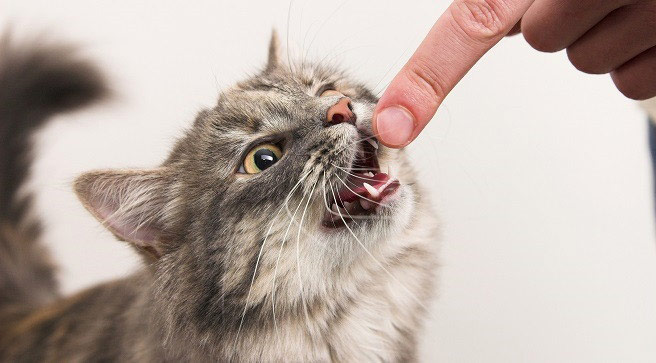
How to take care of your cat’s oral health
- Tooth brushing should be a daily routine that should be adopted as early as possible. In other words, don’t wait until your cat has a problem to start cleaning its teeth.
- The process of incorporating this routine should be done gradually and gently. This will allow your cat to get used to it and the practice will not be annoying. Try not to force the process or act abruptly.
- While the cat adapts to the cleaning routine, you can use your fingers to clean the teeth. At first, dip your finger in some cat food that is palatable to him. In this way, he will get used to you manipulating his mouth in a less traumatic way.
- Run your finger over the area of the fangs, lifting the lips slightly. When your cat gets used to this, you can wrap the finger with gauze and start using a cat-specific toothpaste. You will also be able to gently move on to cleaning all teeth.
- During the adaptation process, you can start oral cleaning as often as once or twice a week. Once the cat has become accustomed, you can perform the routine on a daily basis.
- After the adaptation process is complete, you can try using a special toothbrush for cats. It is also important that you do not use human dental products, as the formula can be toxic.
- It is important that you maintain a good diet and offer him water so that he is constantly hydrated.
Image courtesy of https://basicfarm.com, all rights reserved.
Aviso importante: La información de este artículo es únicamente orientativa y no sustituye la valoración de un profesional. Cada mascota y cada raza tiene necesidades propias, por lo que cualquier duda sobre su salud, alimentación o comportamiento debe consultarse siempre con tu veterinario de confianza.