
Finding the balance between comfort and safety for your pet doesn’t have to be complicated. Many owners in Latin America find that setting up the right environment, with basic materials and clear routines, facilitates adaptation and prevents behavioral problems. This guide provides you with practical solutions and resources endorsed by experts to create a healthy environment, establish habits and detect signs of well-being in your dog or cat, strengthening their quality of life from day one.
Index
- Step 1: Prepare the environment and essential materials
- Step 2: Establish eating and exercise routines
- Step 3: Implementing hygiene and health habits
- Step 4: Verify well-being and adjust the workflow
Quick Summary
| Key Point | Explanation |
|---|---|
| 1. Create a safe space | Make sure your pet has a comfortable, hazard-free environment with specific areas for resting, playing and eating. |
| 2. Establish feeding routines | Define fixed meal times and adapt the diet to the age and needs of your pet to improve its health. |
| Maintain good hygiene practices | Implement a routine of regular grooming and environmental cleanliness to prevent disease and promote your pet’s health. |
| 4. Monitor the pet’s well-being. | Observe changes in behavior and health to detect problems early and adjust care as needed. |
| 5. Adapt routine to age changes | As your pet ages, adjust exercise, feeding and medical care to optimize their quality of life. |
Step 1: Prepare the environment and essential materials
Before you bring your dog or cat home, you need to create a safe and welcoming space where he or she can feel comfortable from day one. This doesn’t require huge investments, but it does require planning and attention to detail.
The first thing is to ensure that your pet has enough space to run, play and rest without dangerous obstacles. This is especially important if your dog is active or your cat needs to explore verticality.
Basic elements for the environment
Every pet requires specific well-defined areas:
- Rest area: a bed, mat or cushion in a quiet place away from noise.
- Feeding area: a clean, separate space for food and water dishes
- Hygiene area: a designated bathroom or corner for the cat’s litter tray or for cleaning the dog’s paws after outings
- Play space: area with access to stimulating and safe toys
Prepare a kit with essential supplies including food, water, medications if available, veterinary documents and first aid items. Although it may seem intended for emergencies, having these materials organized also makes daily care easier.
Indispensable materials you must have
Before bringing home your new partner, gather these items:
- Food and water dishes (sturdy and size-appropriate)
- Quality food adapted to the age and health of your pet
- Safe and varied toys for mental enrichment
- Conveyor or cage if necessary
- Leash, collar or harness for safe walks
- Specific cleaning and hygiene products for pets
- Comfortable blankets or beds
Considering your time availability, make sure the environment allows you to provide quality care and daily exercise. A dog needs regular physical activity, while a cat requires vertical spaces and objects to scratch.
Your initial investment in preparing the environment well reduces behavioral problems and speeds your pet’s adjustment to its new home.
Make sure the space is free of hazards such as toxic plants, exposed wires, chemicals or small objects that can be swallowed. Cats are especially curious, so place plants out of their reach.
Pro Tip: Prepare a “welcome box” during the first week with essentials within reach, so you don’t waste time searching for things while your pet adjusts to its new environment.
Step 2: Establish eating and exercise routines
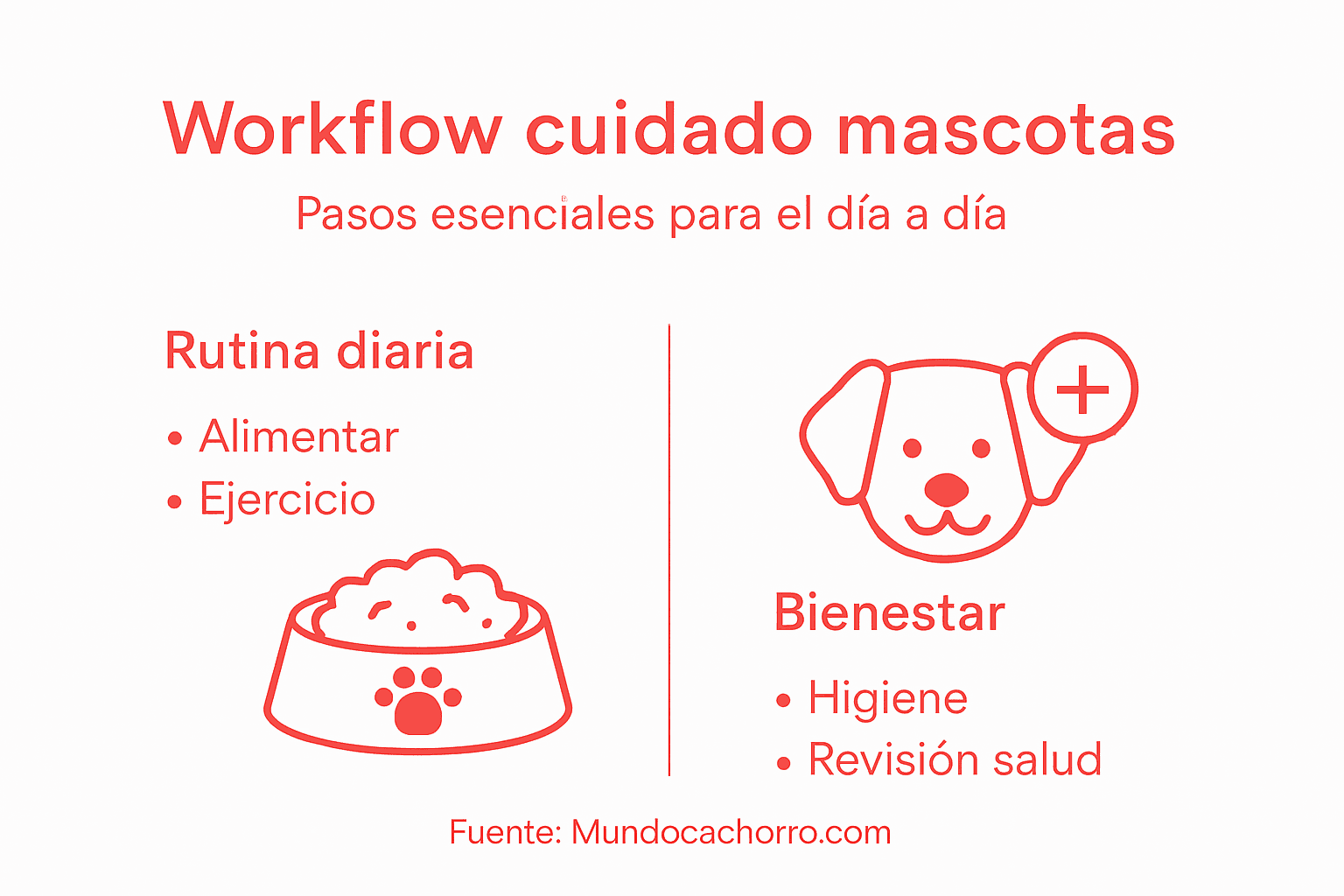
Routines are at the heart of your pet’s daily well-being. When you establish consistent times for eating and moving around, your dog or cat knows what to expect and develops confidence in his environment.
Starting with a balanced diet adapted to your pet’s age is essential. Puppies need more frequent meals, while adults thrive on two meals a day.
Offer them high quality protein diets that provide essential nutrients for their development and maintenance. The quality of the food directly impacts their energy, coat and overall health.
Daily food structure
Define fixed times for meals:
- Adult dogs: two meals a day (morning and evening)
- Cats: two or three small portions distributed during the day.
- Puppies: three to four meals until six months old
- Older adults: consider smaller portions and easy-to-digest foods.
Do not leave food available all day. Remove dishes after 15-20 minutes if your pet does not eat, especially with cats. Always provide fresh, clean water available 24 hours a day.
Here is a useful comparison of exercise and feeding needs according to your pet’s life stage:
| Life stage | Frequency of meals | Recommended type of exercise |
|---|---|---|
| Puppy | 3-4 times a day | Gentle, short duration games |
| Active adult | 2 times a day | Long walks, dynamic play |
| Older adult | 2 times, small portions | Quiet walks, few jumps |
| Cat of any age | 2-3 servings per day | Interactive play and vertical exploration |
Exercise routines according to age and race
Regular exercise is as important as nutrition. It keeps your pet at a healthy weight and channels energy in a positive way.
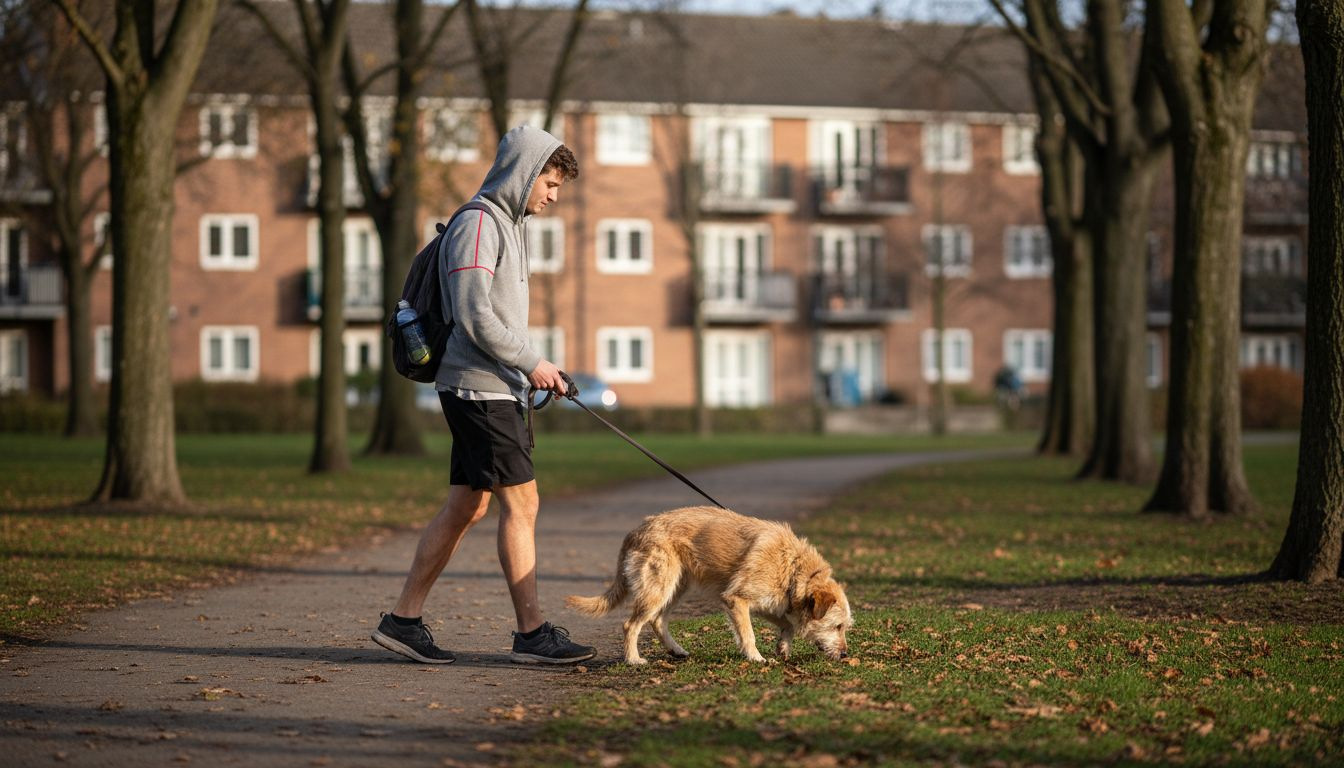
Active dogs need at least 30 minutes of activity daily, while smaller or calmer breeds can be satisfied with short walks. Cats require interactive play and vertical exploration for 10-15 minutes several times a day.
Adapt the intensity according to age:
- Puppies: frequent play but no high-impact activities
- Active adults: long walks, jogging in parks, etc.
- Older adults: short walks and gentle exercise without straining joints.
- Cats: interactive toys, tree climbing, simulated hunting
Consistent routines reduce anxiety, behavioral problems and improve your pet’s digestive health.
Considering your daily availability, it is best to have a realistic routine that you can maintain over the long term. A short but consistent walk is worth more than sporadic, intense activity.
Track changes in appetite or energy. These are early indicators that something may not be right with your pet.
Pro Tip: Set alarms or reminders on your phone for eating and exercise schedules, so the routine becomes automatic habit and you never forget essential care.
Step 3: Implementing hygiene and health habits
Hygiene is the cornerstone of keeping your pet healthy and happy. A clean environment and regular grooming habits prevent diseases, infections and behavioral problems that arise from stress or discomfort.
Start by establishing a grooming routine for your dog or cat that includes bathing, brushing and cleaning specific areas. The frequency depends on your pet’s coat type and lifestyle.
Essential daily hygiene practices
Keep these habits as part of your workflow:
- Brush your dog’s coat 2-3 times a week to avoid knots and distribute natural oils.
- Clean ears regularly, especially in breeds prone to infections.
- Check and clean the legs after outdoor rides
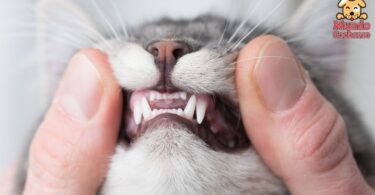
- Brush teeth several times a week if possible.
- Keep the resting area and litter tray spotless
Bathe your pet every 4-6 weeks, or more frequently if he spends time outdoors. Use lukewarm water and pet-specific shampoo, never human products that irritate their skin.
Parasite control and veterinary visits
Disease prevention through hygienic practices includes regular deworming and vaccination programs. Internal and external parasites are common in Latin America and can seriously affect your pet’s health.
Implement a care schedule:
- Annual vaccination according to veterinary recommendations
- Internal deworming every 3-6 months
- Monthly or quarterly external deworming treatment
- Annual dental check-up
- Complete veterinary examination at least twice a year.
Maintain a clean environment by regularly disinfecting the areas where your pet sleeps, eats and plays. Wash food dishes daily and change the litter in the litter tray frequently.
Wash your hands after handling your pet or cleaning its spaces to avoid transmitting bacteria between your family and the animal.
Preventive hygiene avoids costly emergency visits and ensures that your pet will live longer, healthier years by your side.
Regularly observe your pet’s skin, eyes and behavior. Changes in these areas may indicate health problems that require early veterinary attention.
Pro Tip: Create a monthly calendar in your phone or physical planner with reminders for baths, deep brushing, deworming and veterinary visits, so no important care is forgotten.
Step 4: Verify well-being and adjust the workflow
Your pet’s well-being is not static. As the months and years go by, you need to constantly observe how they feel and adapt your daily routine according to their physical and emotional changes.
Checking wellness means being aware of details that others might overlook. A healthy dog or cat shows consistent energy, normal appetite and balanced behavior.
Key signals to monitor
Observe these indicators regularly in your pet:
- Changes in appetite or abnormal thirst
- Sudden weight gain or loss
- Alterations in sleep or activity patterns
- Changes in stool or urine
- Unusual behavior, lethargy or aggressiveness
- Mobility problems, lameness or stiffness
- Changes in coat quality or irritated skin
These signs may indicate medical problems that require attention. See your veterinarian if you notice any of these changes persist for more than 24 hours.
To help you anticipate adjustments in daily care, take a look at this summary of signs and possible solutions:
| Signal observed | Possible cause | Recommended adjustment |
|---|---|---|
| Decreased appetite | Physical discomfort or stress | Veterinary check-up, soft diet |
| Greater than usual lethargy | Pain, illness or tiredness | Consult a veterinarian |
| Increase in water consumption | Kidney problem or diabetes | Urgent veterinary analysis |
| Dull coat or excessive shedding | Nutritional deficiency | Improve feeding, brushing |
Adjust the workflow according to requirements
Recognizing signs of medical problems allows you to adjust the flow of care before a problem worsens. If your pet ages, he may need less intense exercise or smaller meals.
Adapt these areas according to what you observe:
- Exercise intensity based on energy and current mobility
- Type of food if there are digestive or dental problems
- Frequency of bathing if skin sensitivity is present
- Sleep schedules if behavioral changes occur
- Physical environment for older pets with movement difficulties
Create a simple log where you note changes in behavior, appetite or health. This helps the veterinarian diagnose problems more quickly and allows you to see patterns over time.
Don’t wait for severe symptoms to appear. Regular veterinary checkups every 6-12 months are your best preventive tool, especially in adult pets.
Small adjustments made in time prevent serious problems and extend years of healthy life with your companion.
Your pet depends on you to communicate when something is wrong. Learn to interpret their body language and behavior to act quickly.
Pro Tip: Take weekly photos or videos of your pet to compare physical changes gradually, especially helpful if you see weight loss or postural changes that warrant veterinary evaluation.
Organize your pet’s care with Mundocachorro.com
The article “Workflow pet care: organize and improve the day-to-day” highlights the importance of designing clear routines for feeding, exercise and hygiene to ensure the well-being of dogs and cats. We understand that preparing a safe space, establishing habits and monitoring health signs can feel overwhelming but it is fundamental to avoid behavioral problems and unexpected illnesses. At Mundocachorro.com you will find practical resources and reliable tips to help you turn these steps into a simple and effective routine.
Don’t wait for problems to arise before you act – optimize your pet’s daily care now and strengthen the bond with content dedicated to improving their quality of life. Discover detailed guides covering everything from environmental preparation to exercise and hygiene recommendations and learn how to interpret the signs your pet sends you. Visit Mundocachorro.com and transform your routine into moments of health and happiness for your faithful companion.
Frequently Asked Questions
How can I create a safe space for my pet at home?
To create a safe space, be sure to clear areas where your pet can play and rest safely. Designate specific areas for eating, resting and playing so that your pet feels comfortable and safe from day one.
What materials are essential to care for my pet?
Essential supplies include food dishes, quality food, safe toys, and hygiene products. Gather these essentials to prepare a healthy and happy environment for your pet.
What is the best way to establish feeding and exercise routines for my pet?
Set regular meal times and allocate daily time for exercise. For example, feed an adult dog twice a day and plan walks of at least 30 minutes each day to maintain his health and energy.
How often should I take my pet to the veterinarian?
It is advisable to take your pet to the veterinarian at least twice a year for general check-ups. In addition, schedule annual vaccinations and dental check-ups to ensure their long-term well-being.
What are the signs that my pet is not well?
Watch for changes in your pet’s appetite, energy, or behavior. Watch for weight loss, lethargy or changes in coat quality, and consult your veterinarian if you notice any of these signs persist for more than 24 hours.
How can I adjust my pet’s daily care as it ages?
Monitor your pet’s behavior and health to make adjustments to his exercise and feeding routine. For example, reduce the intensity of exercise and adapt the diet to specific needs that may arise with age.