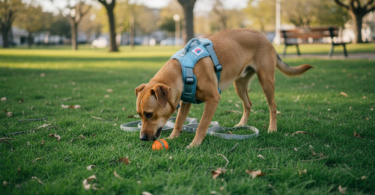

Medical alert dogs have arrived to change lives, becoming silent heroes in the care of chronically ill people. Their ability to detect chemical changes in the human body before any technology is astounding. These canines are not just part of a family; they are a vital resource.

Detecting hypoglycemia: the smell that saves lives
In the world of diabetes, where glucose dips and spikes can be a constant threat, technological devices have their limitations. Subcutaneous sensors are useful, but DADs (diabetes alert dogs) are another story. Prior to a drop in sugar levels, humans emit isoprene, a chemical signal that these dogs can detect almost instantly.
Training these canines begins with associating specific scents with alerts such as barking or a simple paw tap. This phase focuses on making them understand these powerful scents. Then, they move on to more advanced practices where they face real situations, ensuring that their reaction is instinctive and quick.
Epilepsy: anticipation and action
When it comes to epilepsy, the challenges are even greater. Seizures, often unpredictable, are the result of electrical disturbances in the brain. This is where dogs prove their worth. They are able to detect changes in the body up to 15 minutes before a seizure opening a crucial window to seek help.
There are two types of dogs in this field: crisis detectors and response dogs. Detectors act as an early warning, while response dogs take an active role during a crisis. Their task could include anything from moving furniture to prevent the owner from hitting himself, to activating emergency systems.
Training methodology: the key to success
The success of these dogs is not accidental. It results from the careful and methodical training they receive. In programs such as the one at the University of Alicante, high quality standards are guaranteed in the process.
Training begins in controlled environments, where dogs learn to associate characteristic odors of medical crises with rewards. This is the cornerstone of their training. Subsequently, training is moved to environments that are familiar to the dog, ensuring that both the animal and the family can handle these situations with confidence.
Profound impact on daily life
The results of these medical alert dogs are remarkable. They offer their users an independence that once seemed like a dream. Thanks to these creatures, people with diabetes or epilepsy enjoy a greater ability to react quickly to critical medical events.
Today, their work has been recognized and valued both personally and institutionally. Not only do they offer peace of mind to families; their presence is an indispensable support in the health field. These dogs are much more than pets: they are life companions who provide security, independence and, above all, a good dose of hope.
In short, medical alert dogs have become an indispensable tool. Their ability to detect and respond to critical events is unsurpassed. Thanks to them, many people live with the peace of mind of knowing that there is always a pair of eyes and an alert sense of smell, ready to act at any moment. A true canine hero who silently, but effectively, cares for and saves lives.