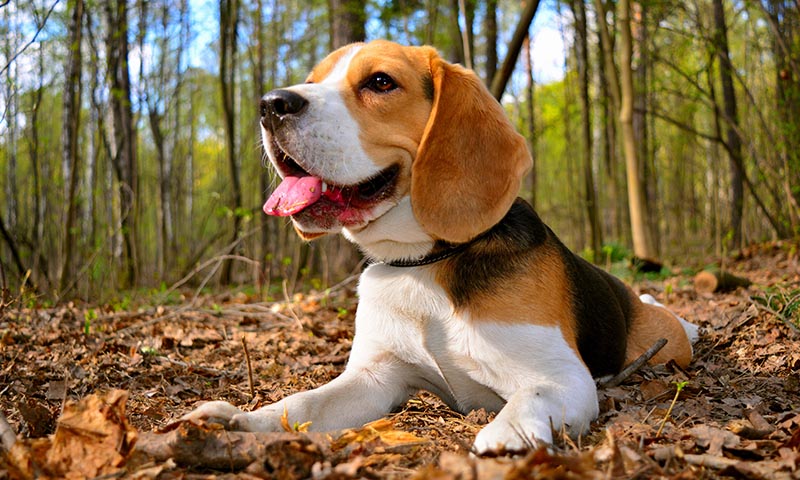

A walk in the park often ends with questions when your dog decides to nibble on the grass in the yard. This behavior, so often seen throughout Latin America, raises questions about their health and well-being. Understanding why dogs eat grass, and recognizing when it is normal or when it is time to be concerned, allows owners to take better care of their pets and avoid mistaken beliefs. Eating grass can be a common and healthy habit, depending on the context and frequency.
Table of Contents
- What it means for dogs to eat grass
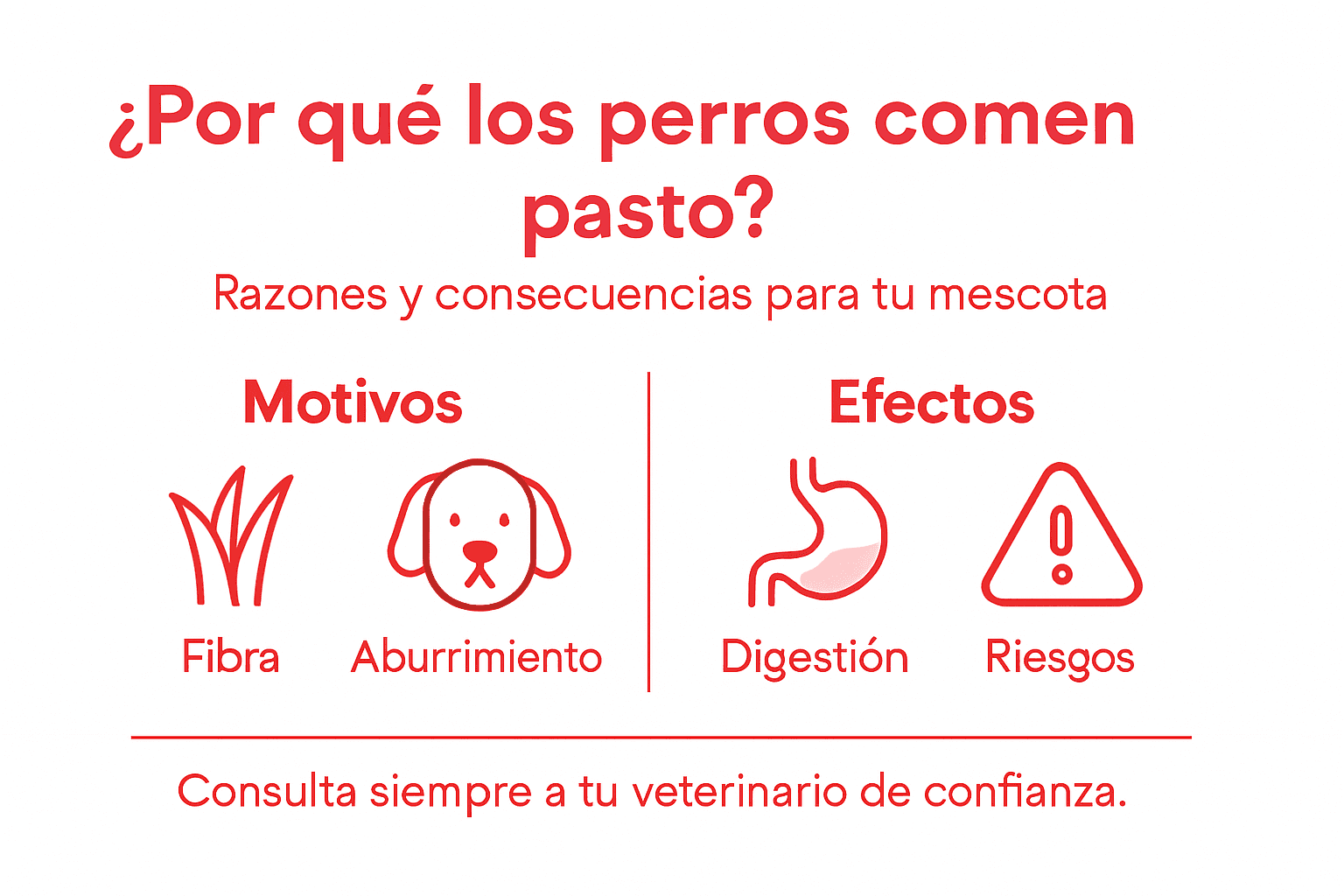
- Main reasons behind this behavior
- Potential health benefits and risks
- When is it normal and when to consult a veterinarian?
- Popular myths about dogs and grass
Key Points
| Point | Details |
|---|---|
| Eating grass is natural | Dogs often eat grass for physiological or behavioral reasons, and it does not always indicate a health problem. |
| Observe frequency | Occasional consumption (1-2 times per week) is generally safe, while compulsive intake requires veterinary consultation. |
| Evaluate the environment | Make sure the grass is not treated with chemicals, as this can put your dog’s health at risk. |
| Common Myths | Demystify the belief that dogs only eat grass because of health problems; the behavior is multifaceted and can be normal. |
What it means for dogs to eat grass
When your dog eats grass, it does not always mean that something is wrong. This behavior is common in healthy dogs and can respond to multiple causes, both physiological and behavioral.
The act of eating grass is something we frequently observe in our furry companions during walks or in yards. It is not an abnormal behavior, nor is it exclusive to malnourished or sick dogs.
A dog that eats grass occasionally and looks healthy generally does not require immediate veterinary intervention.
Physiological reasons
From a biological standpoint, your dog may be looking for dietary fiber that is lacking in his diet. Fiber helps improve digestion and maintain a healthy gut.
Other reasons include:
- Need for specific nutrients that it perceives as available in the pasture.
- Natural desire to cleanse your digestive system
- Instinctive search for plants with beneficial properties
Behavioral reasons
Beyond the physical, dogs also eat grass for behavioral and emotional reasons. Boredom is one of the main causes in dogs that spend a lot of time without mental stimulation or physical activity.
This list shows other behavioral motivations:
- Boredom or lack of environmental enrichment
- Stress or anxiety
- Simple curiosity and exploration of the environment
- Seeking attention from its owner
Difference between normal behavior and problems
Not every dog that eats grass has a problem. Frequency is what makes the difference between an occasional behavior and something that requires investigation.
A dog that eats grass once or twice a week and maintains normal energy is probably fine. If your dog eats grass compulsively or seems sick afterwards, consult a veterinarian.
To facilitate the distinction, indicators between normal behavior and warning signs when eating grass are summarized here:
| Indicator | Normal behavior | Warning signal |
|---|---|---|
| Frequency | 1-2 times per week | Every day |
| General condition | Maintains energy and appetite | Lethargy, anxiety, loss of appetite |
| Later symptoms | No vomiting or diarrhea | Repeated vomiting or diarrhea |
| Environmental conditions | Safe, chemical-free pasture | Treated or contaminated grass |
Pro Tip: Watch how many times per week your dog eats grass and if he vomits afterward; this will help you provide valuable information to your veterinarian should you deem it necessary.
Main reasons behind this behavior
There are multiple reasons why your dog eats grass, and understanding them will help you know if you should be concerned or simply observe. Each dog is unique, and what motivates one may not affect another.
Most cases are due to natural and predictable causes. Knowing them will allow you to better evaluate your pet’s behavior.
Search for fiber and nutrients
One of the most common reasons is that your dog needs fiber in his diet. Grass contains fiber that may be missing in some commercial dog foods.
This need arises from:
- Low-fiber diet that affects digestion
- Natural instinct to supplement your nutritional intake
- Desire to improve intestinal health
If you feed your dog poor quality food, he is more likely to compensate by eating grass.
Digestive problems
When your dog’s digestive system is not working properly, he may turn to grass for natural relief. Some dogs use it to induce vomiting and clean out their stomach.
This occurs when:
- Nausea or upset stomach
- Your digestion is slow or irregular
- You need to expel something that is causing you discomfort
It is not serious if it occurs occasionally, but excessive frequency indicates that you should consult your veterinarian.
Boredom and need for stimulation
Dogs that spend hours cooped up with no activity seek entertainment anywhere, including the grass. Environmental enrichment is critical to their mental well-being.
A bored dog can:
- Compulsive grass eating for no physiological reason
- Developing destructive behaviors
- Showing signs of anxiety
Emotional reasons
Stress, anxiety and changes in the home can also cause your dog to eat grass. This behavior functions as a coping mechanism.
Influencing emotional factors:
- Changes in routine or environment
- Separation from its owner for prolonged periods of time
- Loud noises or stressful situations
If your dog eats grass constantly after a major change at home, it is probably due to emotional stress.
Pro Tip: Provide more physical activity, interactive play and daily quality time; this reduces both boredom and stress that motivate eating grass.
Potential health benefits and risks
Eating grass can benefit your dog in certain situations, but it also presents significant risks that you should be aware of. The key is to identify when it is safe and when it requires intervention.

It is not simply a matter of allowing or prohibiting this behavior, but of understanding what is happening in each case.
Digestion benefits
One of the main benefits is that grass improves digestion and helps eliminate gas or stomach discomfort. The natural fiber in grass acts as an intestinal regulator.
These benefits include:
- Stimulation of bowel movement
- Helps to expel accumulated gases
- Relief of mild stomach discomfort
- Natural cleansing of the digestive tract
This is especially useful when your dog experiences constipation or slow digestion.
The following is a comparison of the main benefits and risks associated with grass consumption in dogs:
| Aspect | Benefit | Risk |
|---|---|---|
| Digestion | Stimulates intestinal tract | Possible gastric irritation |
| Intestinal health | Promotes expulsion of gases | Ingestion of toxins or pesticides |
| Excitement | Reduces occasional boredom | Intoxication stress |
| Safety | Natural grass without chemicals | Toxic or poisoning plants |
Chemical hazards and toxins
The main danger is that many lawns contain chemicals that are dangerous to your dog. Herbicides, pesticides and fertilizers can cause severe poisoning.
Chemical hazards include:
- Insecticides and fungicides applied to the garden
- Toxic chemical fertilizers
- Herbicides that can cause gastroenteritis
- Soil treatment residues
Toxic plants
Grass is not the only risk. Many common garden plants are extremely poisonous to dogs.
Dangerous plantings that your dog might confuse:
- Lilies and azaleas
- Japanese Sago
- Tulips and daffodils
- Easter flowers
If your dog eats grass frequently, consider creating a safe area with untreated grass where he can explore without chemical hazards or toxic plants.
Symptoms of poisoning
Be alert if your dog exhibits unusual behaviors after eating grass. Symptoms of poisoning vary depending on the chemical or plant ingested.
Warning signs:
- Persistent vomiting or diarrhea
- Lethargy or weakness
- Loss of appetite
- Tremors or difficulty walking
Any of these symptoms require immediate veterinary attention.
Pro Tip: Make sure the grass where your dog plays has not been treated with pesticides or herbicides; check with your gardener or neighbors before allowing your pet access to those areas.
When is it normal and when to consult a veterinarian?
Not every act of grass eating requires an urgent visit to the veterinarian, but there are specific situations where your dog needs professional evaluation. Knowing how to distinguish between what is normal and what is worrisome is crucial for your pet’s health.
The key is to observe patterns, frequency and associated symptoms.
Normal behavior
A dog eats grass occasionally and naturally without showing signs of illness. This means once or twice a week for a few minutes.
Indicators of safe behavior:
- Spontaneous grass eating without obsession
- Maintains normal energy and appetite
- No vomiting or diarrhea afterwards
- The grass is safe and not chemically treated.
- Body weight and condition are stable
In these cases, simply observe without intervening.
Warning signs
Be vigilant when grass consumption changes pattern. Constant and massive consumption, accompanied by repetitive vomiting or diarrhea, requires immediate veterinary evaluation.
Signs that indicate urgent consultation:
- Eats grass compulsively every day
- Repeated vomiting after or without intercourse
- Persistent diarrhea
- Shows behavioral changes (lethargy, anxiety)
- Loses appetite or weight
- Grass may be contaminated or treated
When to call the veterinarian
Most cases can be managed with a regular, non-emergency consultation. Schedule an appointment when you notice worrisome changes but your dog looks relatively well.
Reasons to schedule a veterinary consultation:
- The behavior persists for more than one week
- You notice occasional vomiting or diarrhea
- Your dog seems more anxious or bored
- You want to evaluate their current nutrition
- You need to rule out internal parasites
Veterinary emergencies
Some situations require immediate attention. Don’t wait until tomorrow if your dog shows severe symptoms.
Seek emergency care if:
- Vomits blood or dark material
- Bloody diarrhea
- Shows respiratory distress or convulsions
- He is lethargic and unresponsive
- Ingested grass from an area with confirmed pesticides
A professional examination can rule out serious digestive problems, internal parasites or intoxications that could go unnoticed.
Pro Tip: Keep a small written record of when your dog eats grass, how much time he spends, and what symptoms he follows; this provides valuable information that will speed veterinary diagnosis.
Popular myths about dogs and grass
There are many popular beliefs about why dogs eat grass, but the scientific reality is more complex. Separating truth from fiction will help you better understand your pet and avoid decisions based on incorrect information.
Most of these myths are born from partial observations that are generalized without considering all the evidence.
Myth 1: Dogs eat grass only because of nutritional deficiencies.
This is perhaps the most widespread myth. Many people assume that if their dog eats grass, it necessarily suffers from poor nutrition or a lack of vitamins.
Studies show that nutritional deficiencies are only one of many possible causes. Dogs on balanced diets also eat grass regularly, without indicating a health problem.
Reality:
- Well-fed dogs eat grass out of curiosity
- Fiber from grass supplements your diet, not replaces it.
- The behavior responds to multiple factors
- Good nutrition does not eliminate this natural instinct
Myth 2: All dogs that eat grass are sick.
Another common belief is that eating grass always indicates illness or digestive distress. This generates unnecessary panic in many owners.
The reality is that this behavior can be completely normal and healthy, depending on the context. A dog with no symptoms and normal energy is probably perfectly fine.
The truth about health:
- Healthy dogs eat grass occasionally
- Behavior does not always indicate disease
- The absence of symptoms is a good indicator
- Many dogs do this out of pure instinct
Myth 3: Dogs eat grass only to provoke vomiting.
This myth suggests that dogs eat grass exclusively to induce vomiting and cleanse their stomach. Although this does occur in some cases, it is not the only reason.
The evidence shows that:
- Many dogs eat grass without vomiting afterwards
- The instinct to search for plants is ancestral.
- Some simply enjoy the taste and texture
- Vomiting is sometimes a consequence, not always the goal.
Myth 4: I should completely forbid my dog to eat grass.
Some owners believe they should avoid this behavior altogether. The reality is more nuanced.
For your dog:
- Non-chemically treated grass is safe
- Eating occasionally is natural and healthy
- Complete prohibition can increase obsession
- The important thing is to monitor the frequency and context
The most dangerous myth is to assume that eating grass always requires veterinary intervention; careful observation and common sense are better guides than panic.
Pro Tip: Question what you hear about canine behavior and seek information from reliable sources; many myths persist simply because no one has verified them against current scientific evidence.
Discover how to take better care of your dog when he eats grass
Understanding why your dog eats grass is fundamental to provide the best care and respond to their real needs, whether physiological or emotional. If you have wondered whether this behavior is normal or a cause for concern, Mundocachorro.com offers reliable information and practical tips to identify when it is just a natural habit and when you should act. Knowing the myths and facts about this issue will help you take care of their intestinal health, manage boredom or anxiety and prevent risks such as poisoning or digestive problems.

Don’t let uncertainty stop you from giving your pet the well-being it deserves. Visit now our homepage at Mundocachorro.com and explore our complete guides on canine care, feeding and behaviors. Take the opportunity to strengthen your bond with your dog through up-to-date and verified information. Start creating a safer and happier environment for your loyal companion today with expert help and specialized advice.
Frequently Asked Questions
Why do dogs eat grass?
Dogs may eat grass for a variety of reasons, including the search for fiber, nutritional needs, boredom, or even as a mechanism to relieve stress. This behavior may be normal and does not always indicate a health problem.
Is it dangerous for my dog to eat grass?
Eating grass is not necessarily dangerous, as long as the grass does not contain chemicals, pesticides or toxic plants. It is important to supervise your dog and observe his behavior and health after eating grass.
When should I worry if my dog eats grass?
You should be concerned if your dog eats grass compulsively, has frequent vomiting or diarrhea, or shows signs of lethargy or anxiety. If this occurs, it is advisable to consult a veterinarian.
Can eating grass benefit my dog?
Yes, grass can provide digestive benefits to dogs, such as helping to regulate the bowel and relieving mild stomach upset. However, it is essential to make sure it is not contaminated or chemically treated.
Recommendation